Treating for the future – Connecticut Water invests in treatment facilities targeting PFAS removal
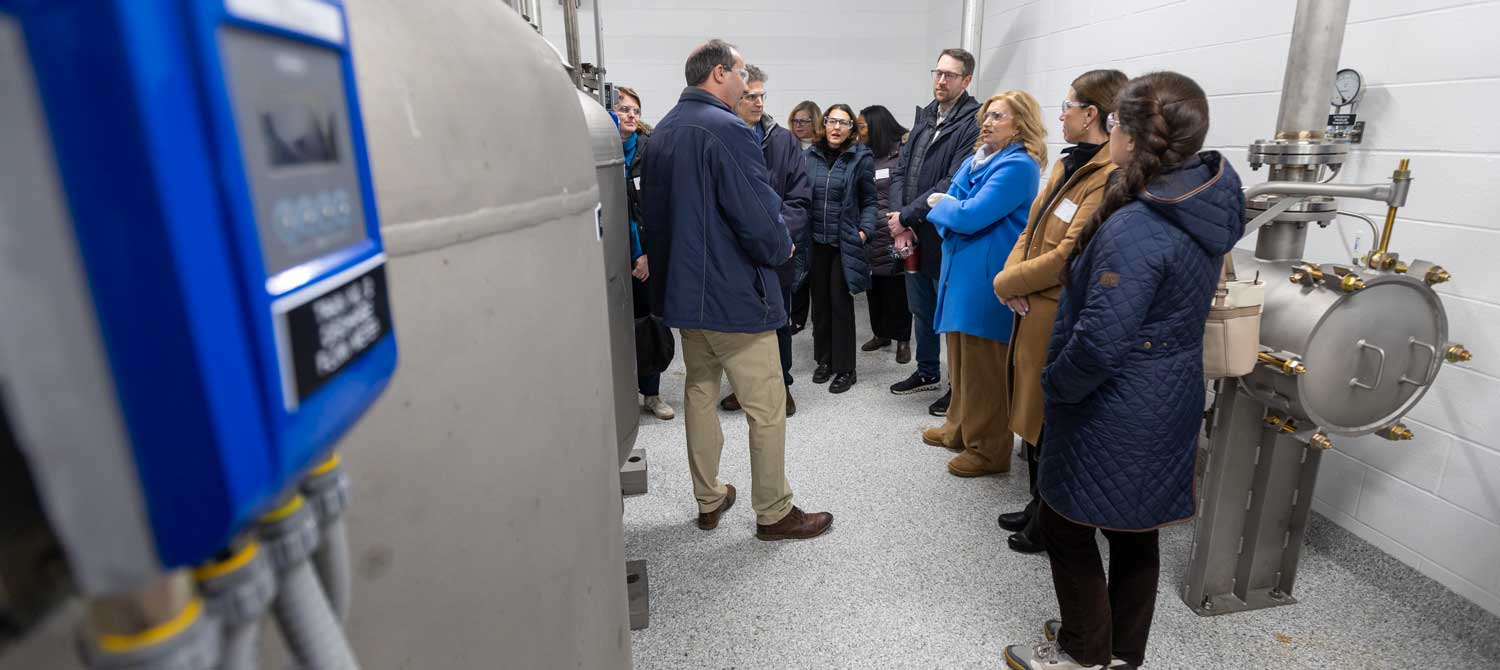
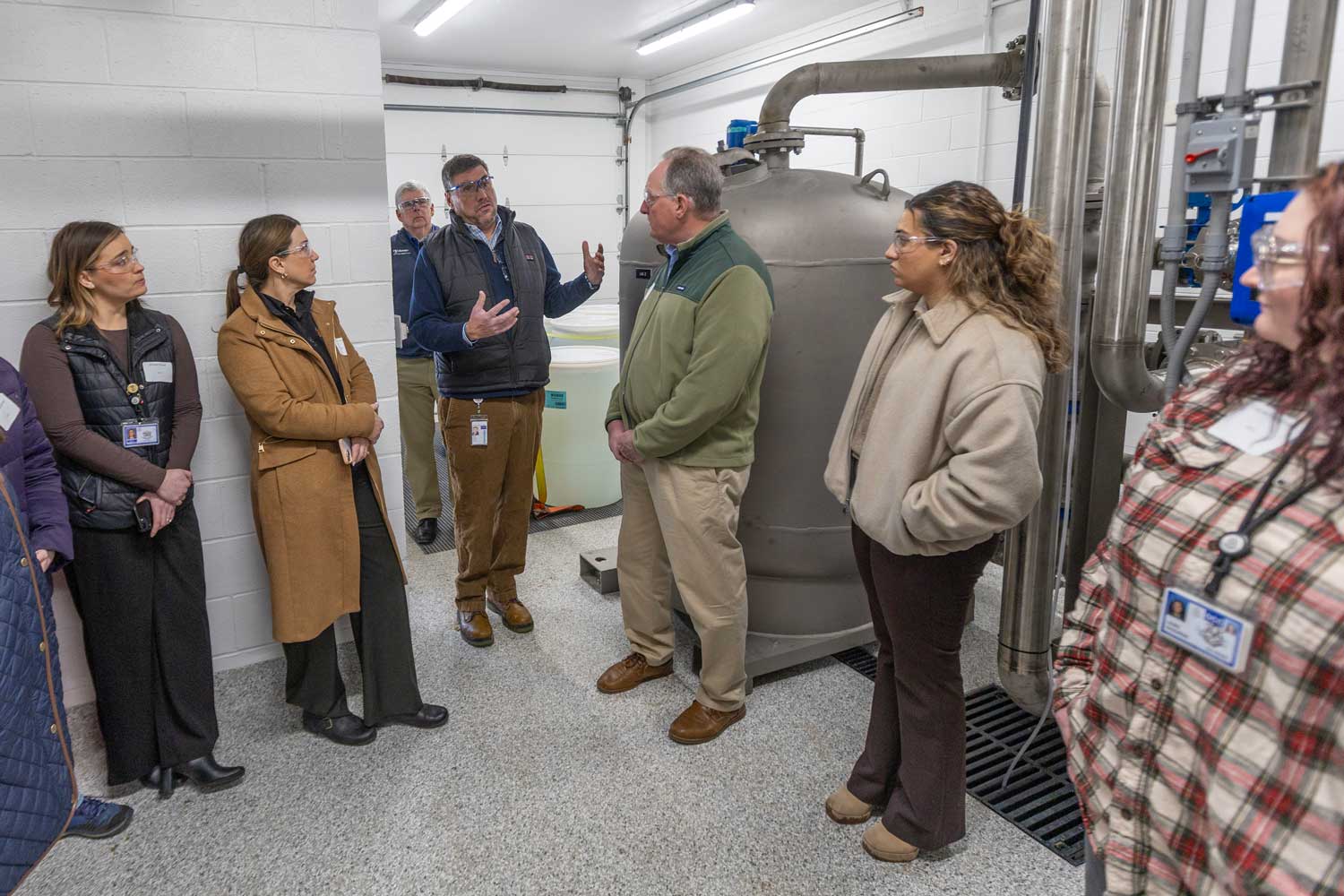
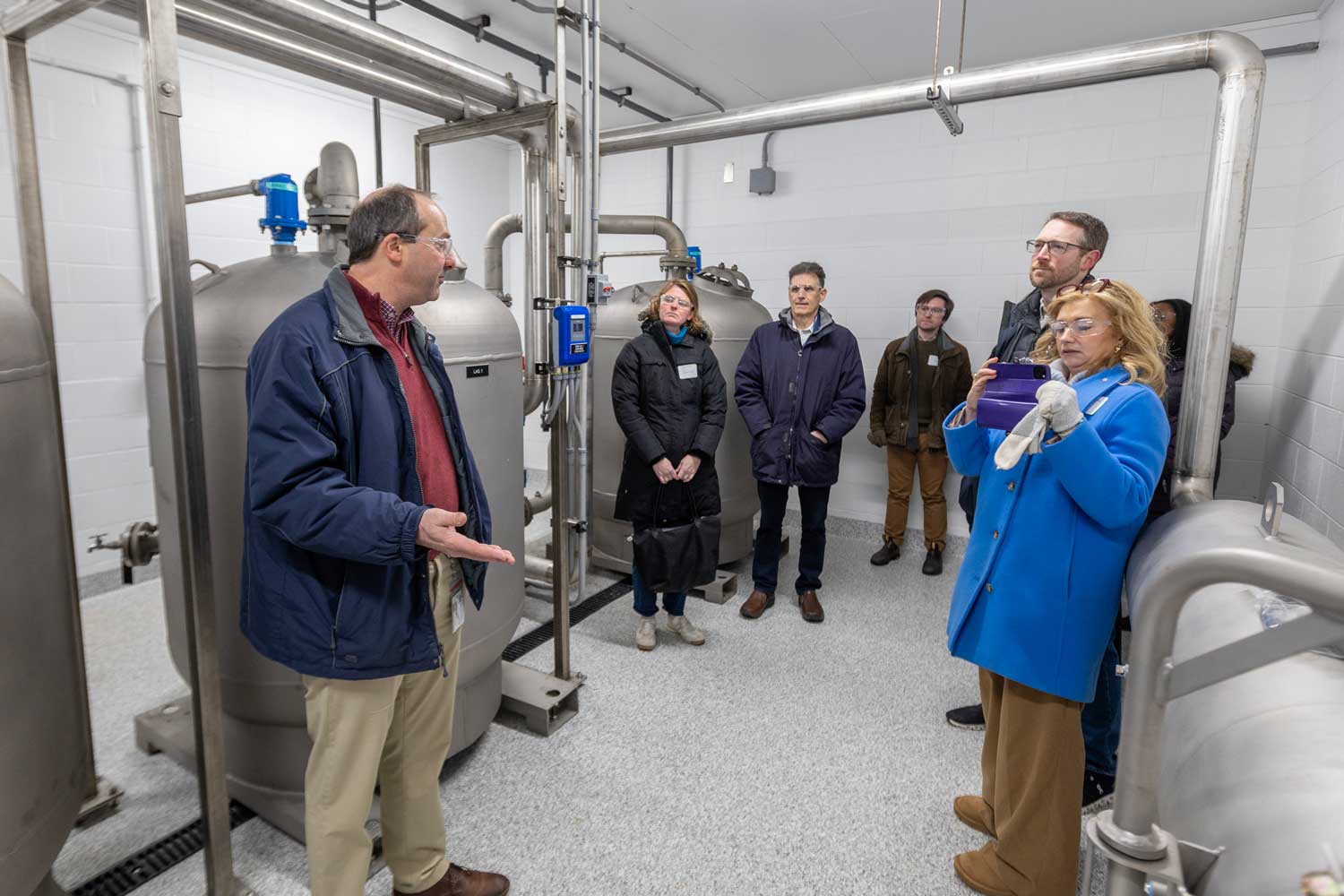
AVON, Conn., Feb. 10, 2026 — Local and state leaders toured the new PFAS treatment facility in Avon as Connecticut Water continues to make progress on more than twenty projects throughout the state that will proactively meet the new U.S. Environmental Protection Agency (EPA) PFAS regulations set to be in effect in 2029. This assures CWC customers will continue receiving drinking water that meets all state and federal regulations.
 Connecticut Water began testing for PFAS in 2019 before any state or federal requirements were in place. Being attentive to potential emerging contaminants, such as PFAS, allows us to continue to provide reliable, high-quality drinking water and evaluate early and plan ahead should state or federal public health experts create changes to drinking water regulations.
“We’re already moving forward with a plan to meet those standards, with additional treatment facilities coming online in the years ahead,” Connecticut Water President Craig Patla said. “Continually delivering reliable, high-quality drinking water to the communities we serve means staying versed in emerging contaminants, like PFAS, and investing in the technologies needed to address them.”
In 2024, the EPA established the first nationwide regulations for PFAS in drinking water. Public water systems have until 2029 to implement treatment solutions.
A new, $1.17 million treatment facility utilizing ion exchange technology to target PFAS brought an Avon well back into service for customers with no detectable PFAS. Over the next few years, Connecticut Water will invest more than $200 million in 26 projects targeting PFAS filtration to meet the new EPA regulations by the 2029 deadline.
PFAS, or per- and polyfluoroalkyl substances, are man-made chemicals used for decades in products like non-stick cookware, food packaging, and firefighting foam. These substances are now widespread in the environment due to decades of industrial and consumer use.
As a water utility, Connecticut Water stands at the forefront of public health. While Connecticut Water didn’t introduce these substances into the water sources, meeting evolving drinking water standards requires continuous adaptation to implement new treatment processes and technologies to align with the latest guidance from health and science experts like the EPA and Connecticut Department of Public Health (DPH).

With such a large investment pending, water affordability remains a priority. Connecticut Water joined a class-action lawsuit against PFAS manufacturers to help offset the cost of treatment. Any funds recovered through this process will be returned to customers, subject to Connecticut Public Utilities Regulatory Authority’s (PURA) guidance. The company expects settlement funds to offset a small portion of PFAS treatment cost, and that customers will ultimately pay the balance through their water bills. The company also looks to utilize the Drinking Water State Revolving Fund Program when possible, which provides long-term, below market rate loans to finance infrastructure improvement projects.
The Water Quality and Treatment Adjustment (WQTA) is a surcharge that will appear on customer bills starting in 2026. Passed by the General Assembly and signed into law by Governor Ned Lamont with input from state leaders, consumer advocates, and PURA, the WQTA is designed to allow water utilities to recover approved investments in infrastructure projects needed to meet new state and federal drinking water regulations, including treatment for PFAS. The WQTA phases in actual treatment expenses over time to lessen rate spikes and support responsible, long-term investment in water quality. Without the WQTA, eligible treatment expenses would be added to rates all at once as part of full rate cases that typically happen every three or four years.
PFAS test results are available in our Water Quality Reports, and we remain fully compliant with all DPH and EPA standards — including monitoring and testing protocols. Our commitment is simple: to provide a reliable supply of high-quality drinking water to every customer, every day.